Events move fast, and event signage needs to keep up. From festivals and live performances to brand activations and sporting events, banner mesh is one of the most commonly used signage solutions, but only when it’s specified, designed, and installed correctly.
When it works well, banner mesh delivers strong visual impact, quick installation, and reliable performance. When it doesn’t, it can cause delays, visibility issues, or safety concerns.
Here’s what to consider to make sure banner mesh works for your event, not against it.
Why Banner Mesh Is So Popular for Events
Banner mesh is a favourite for events because it strikes the right balance between visibility and practicality.
It’s commonly used for:
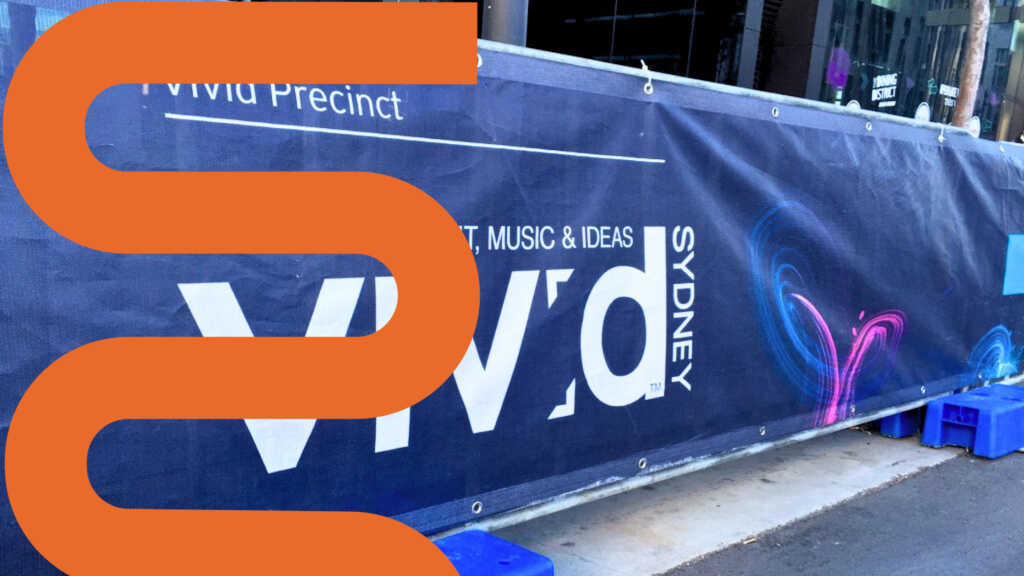
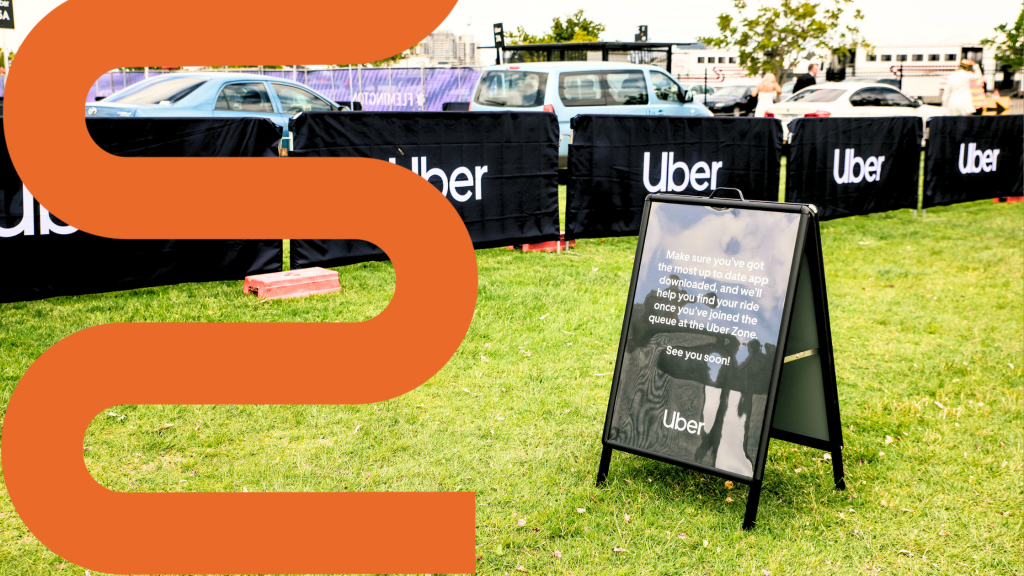
- Temporary fencing and crowd barriers
- Stage surrounds and backstage areas
- Sponsor branding and wayfinding
- Perimeter fencing at outdoor events
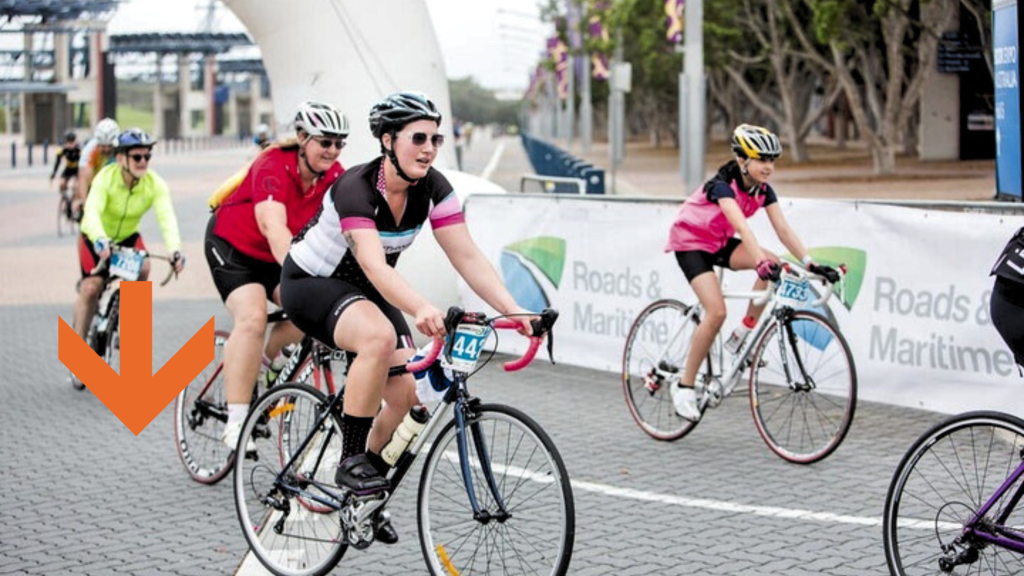
Mesh allows airflow, making it safer in windy environments, while still providing a large printable surface for branding and messaging.
Design for Fast Viewing, Not Fine Detail
Event audiences are constantly moving. Unlike construction signage, event signage often needs to be understood at a glance.
Effective event mesh design focuses on:
- Bold colours with strong contrast
- Large, legible text
- Simple logos and messaging
- Minimal fine detail
Overly complex designs may look great up close but get lost in busy, high-energy environments.
Short-Term vs Multi-Day Events
Not all events are created equal — and neither are their signage requirements.
For short-term events:
- Lightweight mesh is ideal
- Quick install and removal are key
- Cost efficiency often matters more than long-term durability
For multi-day or touring events:
- More durable mesh may be required
- Reinforced edges and fixings become more important
- Branding needs to remain consistent and intact across multiple locations
Matching the mesh to the event duration helps avoid unnecessary wear or failure.
Wind and Environment Matter More Than You Think
Outdoor events are exposed to changing weather conditions, often with little shelter.
Banner mesh performs best when:
- Wind exposure is assessed in advance
- Mesh density suits the environment
- Fixing points are correctly spaced
Using the wrong mesh type — or installing it incorrectly — can lead to flapping, tearing, or unsafe conditions. Planning for airflow is essential.
Installation and Removal: Speed Without Damage
Event signage often needs to go up quickly and come down just as fast.
To ensure smooth installs:
- Mesh should be sized correctly for fencing systems
- Fixing methods should allow quick tensioning and release
- Installers should avoid over-tightening
Careful removal is just as important, especially if mesh is being reused for future events.
Reuse and Storage Between Events
Many event organisers reuse banner mesh across multiple activations.
To maximise reuse:
- Avoid event-specific dates or locations in artwork
- Remove mesh carefully
- Roll and store mesh clean and dry
Reusable mesh reduces costs and keeps branding consistent across events.
Common Mistakes to Avoid
Some of the most common event mesh issues come from:
- Treating event mesh like construction mesh
- Overloading designs with information
- Ignoring wind exposure
- Rushing installs without proper fixings
These issues are avoidable with the right advice upfront.
When Banner Mesh Is the Right Choice and When It’s Not
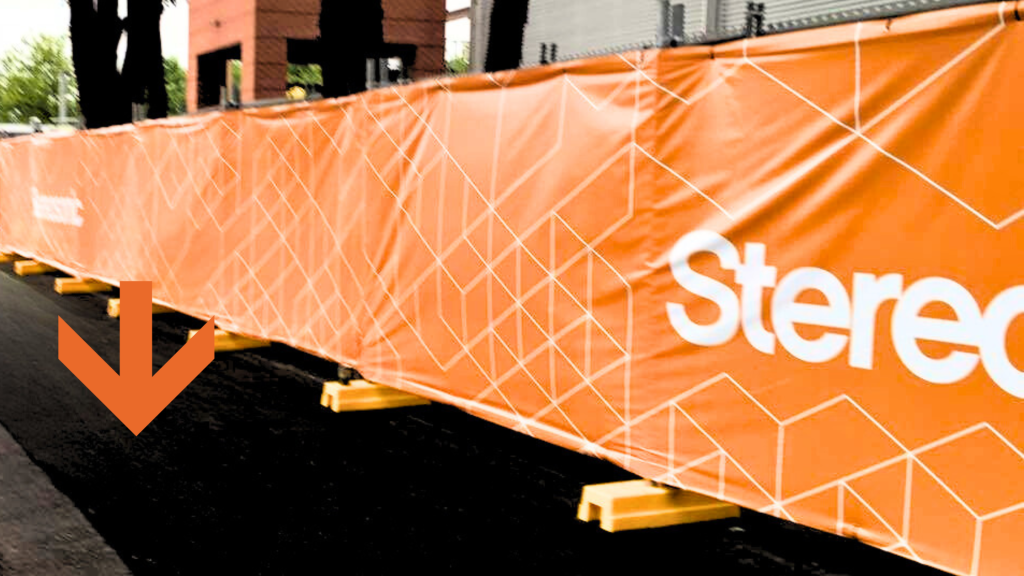
Banner mesh works brilliantly for:
- Outdoor events
- Temporary fencing
- High-visibility branding
It may not be ideal for:
- Indoor spaces with no airflow requirements
- Small-format signage requiring fine detail
- Permanent installations
Choosing the right signage solution depends on environment, duration, and visibility needs.
Event Signage That Performs Under Pressure
Events are high-pressure environments — and signage needs to perform without becoming a problem.
With the right material selection, clear design, and proper installation, banner mesh delivers impact, flexibility, and reliability when it matters most.
At Mesh Direct, we help event organisers choose signage solutions that are practical, visually strong, and fit for real-world conditions — so signage is one less thing to worry about.