
Choose the Right Weatherproof Banner Mesh for the Elements
A Guide to Weatherproofing Your Site With the Right Mesh
As the windy season approaches, selecting the right banner mesh for your project matters more than ever. Wind can dramatically impact the performance and durability of banner mesh on exposed construction sites, fences, and at events. The wrong choice can result in damaged banners, toppled fences, and wasted investment. This guide covers how wind affects banner mesh and how to choose the right type, so your installation stays safe, compliant, and effective all season.
Understanding Weatherproof Banner Mesh Types and Wind Resistance
The key to choosing the right banner mesh lies in understanding how airflow interacts with different mesh types. The more open the mesh, the greater the airflow, and the less wind resistance it creates. That reduces the risk of the mesh acting like a sail and putting strain on its supports.
The three main types used in windy environments are:
| Mesh Type | Blockout / Airflow | Best For | Trade-Off |
|---|---|---|---|
| Premium Banner Mesh | 80% / 20% | Low-wind, high-visibility sites where print quality matters most. | Least wind permeability; not for high-wind or exposed sites. |
| Standard Banner Mesh | 65% / 35% | Moderate-wind urban sites needing a balance of print quality and airflow. | Middle-ground: not the sharpest print, not the most wind-safe. |
| Wind Mesh | 50% / 50% | High-wind, coastal, or exposed sites where structural load must be minimised. | Reduced print coverage due to open weave. |
Key Factors to Consider When Choosing Weatherproof Banner Mesh
When selecting the right mesh for windy conditions, weigh these factors:
- Wind speed and site exposure. Coastal, open field, or high-rise sites experience stronger winds and require higher airflow mesh to reduce wind load.
- Structural stability. Fences and supports must be strong enough to withstand wind pressure. Temporary fencing must comply with standards such as AS4687.1:2022, which sets minimum requirements for wind load resistance and safety.
- Durability and material quality. Look for UV-resistant, high-gsm banner mesh for longevity in harsh outdoor conditions.
- Compliance. Confirm your banner mesh and installation meet local safety and wind resistance standards to prevent accidents and stay on the right side of regulations.
Banner Mesh Solutions for Different Wind Conditions
High-Wind Sites
Wind Mesh, with 50% blockout and 50% airflow, reduces the sail effect and structural strain. It suits construction sites, coastal areas, and exposed locations.
Moderate-Wind Sites
Standard Banner Mesh, with 65% blockout and 35% airflow, offers a balance between durability, print quality, and wind resistance. It is ideal for urban sites with moderate wind exposure.
Low-Wind Sites
Premium Banner Mesh, with 80% blockout and 20% airflow, suits sheltered areas with minimal wind. It provides maximum print coverage and vibrant graphics, but should be avoided in high-wind environments due to increased wind load.
For sites with unpredictable or extreme wind, wind slits can be added to let gusts pass through and reduce tension on the material.
Best Banner Mesh for Construction Fences
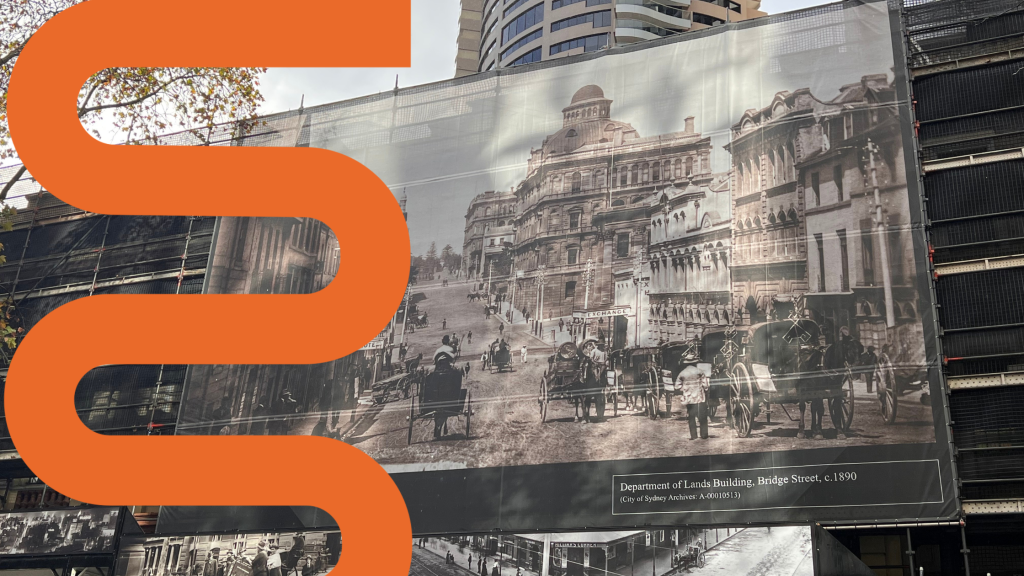
Construction fences do two jobs at once: containment and branding. The banner mesh you specify has to survive site conditions while keeping the developer’s brand visible for months, sometimes years.
For most sites, Standard Banner Mesh on custom-sized banner mesh fence panels is the default. It balances durability with print quality and handles typical urban wind exposure. On exposed sites, cyclonic regions, or scaffold wraps at height, step up to Wind Mesh for the added airflow.
Practical points when speccing construction fence mesh:
- Panel sizing beats long runs. Mesh built to fit each temporary fence panel lets wind escape at the joins, cutting the load on the fence and the eyelets.
- Reinforced edges and rust-free eyelets. Site conditions punish weak fixings. Reinforced webbing and stainless eyelets extend banner life.
- Fire-retardant options where required. Multi-storey builds, tunnel projects, and some council zones require flame-retardant mesh. Confirm before ordering.
- Panel reuse. Durable banner mesh panels can be relocated as the site layout evolves or moved to the next project, lowering signage cost over the life of a build.
Weatherproof Banner Mesh Installation and Maintenance Tips
- Proper tensioning and securing. Tension the banner mesh correctly to prevent sagging and tearing. Use reinforced hems and rust-free metal eyelets for added durability.
- Secure anchoring. Secure mesh to sturdy posts or frames, and ensure base supports prevent accidental displacement.
- Regular inspection and cleaning. Check for damage, wear, or loose fittings, especially after storms. Clean regularly to maintain airflow and appearance.
- Safety considerations. Never overload temporary fencing with tightly woven banner mesh in windy areas. Always prioritise safety to prevent the fence from toppling and comply with regulations.
Frequently Asked Questions
What is the best banner mesh for high winds?
For high-wind sites, including coastal, exposed, or elevated locations, Wind Mesh with 50% blockout and 50% airflow is the safest choice. Its open weave lets gusts pass through, reducing the sail effect that strains banners and pulls fences over. On extremely windy sites, wind slits can be added to Standard or Premium mesh to further reduce load.
Does weatherproof banner mesh need to comply with any Australian Standards?
Temporary fencing installations often need to comply with AS4687.1:2022, which sets minimum requirements for wind load resistance and safety of temporary fencing and hoardings. The mesh itself should also be UV-stabilised and rated for outdoor use. For fire-sensitive sites, flame-retardant banner mesh may be required. Always confirm project-specific requirements with your site supervisor or council.
How long does weatherproof banner mesh last outdoors?
Quality UV-stabilised banner mesh typically holds up for 2 to 5 years outdoors in Australian conditions, depending on weight, exposure, and installation quality. Heavier premium meshes on well-tensioned frames last longer than lighter economy options in exposed locations. Sun, salt air, and constant flexing in the wind all shorten lifespan, so coastal installs sit at the lower end of that range.
Can banner mesh be reused after a project?
Yes. Banner mesh panels sized to standard temporary fence dimensions can be removed, rolled, stored, and reused on later projects or new site layouts. Reinforced edges and rust-free eyelets protect the panel through repeated installs. Reuse is one of the key cost advantages of specifying durable banner mesh over cheaper single-use options.
What is the difference between banner mesh and shade cloth for fences?
Banner mesh is a printed PVC-based material designed for branding, with defined blockout and airflow ratings and a UV-stabilised print surface. Shade cloth, also called scrim, is a lighter, unprinted or lightly printed knitted fabric used mostly for privacy or dust control. Banner mesh lasts longer, prints more sharply, and is the standard choice for construction fence signage where branding matters.
If in Doubt, Speak to the Experts at Mesh Direct
Choosing the right banner mesh for windy conditions is essential for safety, compliance, and long-term performance. Assess your site’s wind exposure, select mesh with appropriate airflow, and install it well. For tailored advice, contact the Mesh Direct team for a free consultation and quote.