Construction projects finish. Events wrap up. Promotions end.
But what happens to the signage once its job is done?
For many years, the answer was simple: landfill.
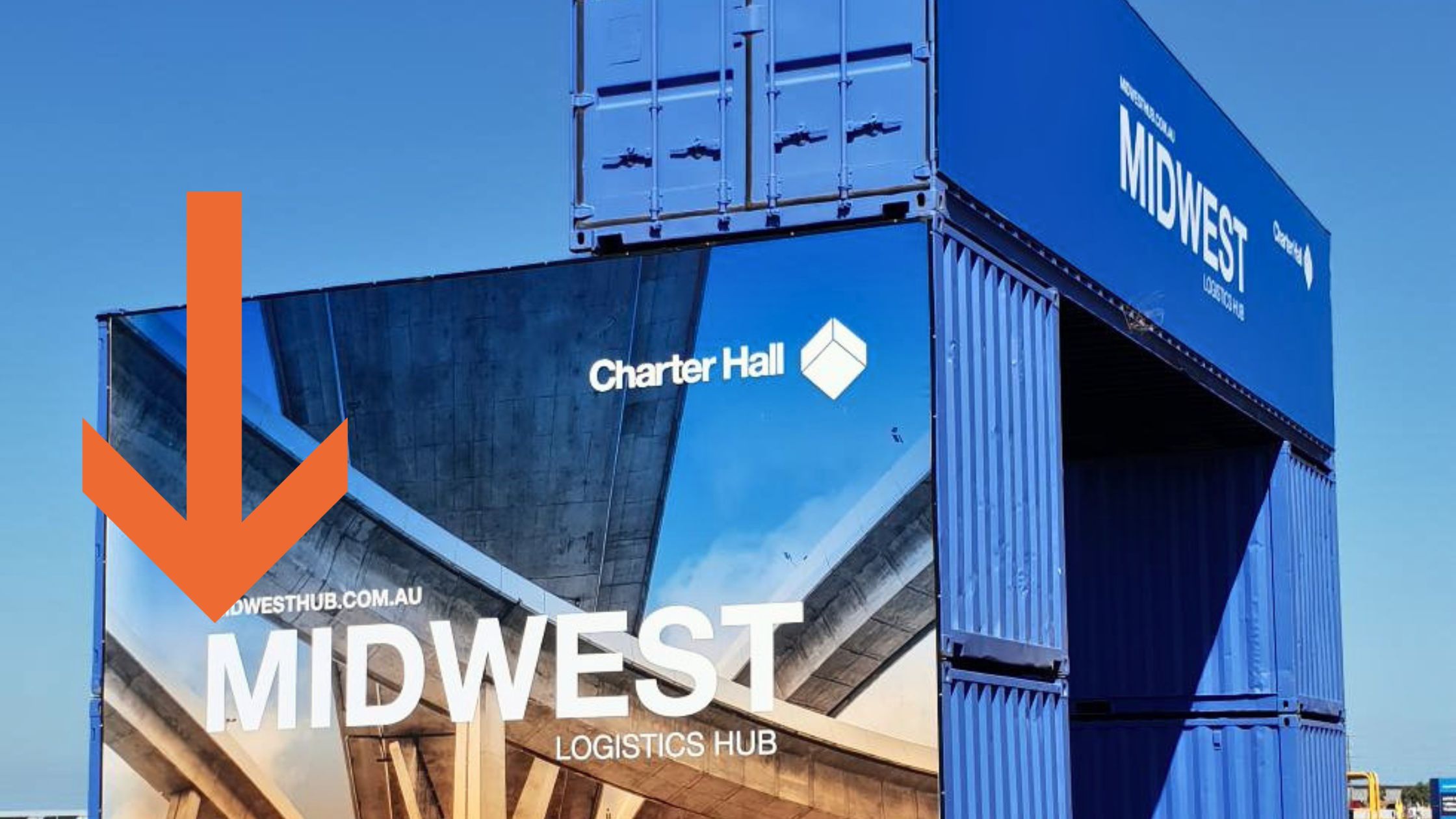
Large-format signage materials such as banner mesh, vinyl banners and hoarding graphics are designed to withstand Australia’s harsh outdoor conditions. While this durability makes them highly effective during use, it also means they don’t naturally break down once removed.
As sustainability becomes increasingly important across construction, events, government and corporate sectors, more organisations are looking for ways to reduce waste and improve their environmental impact.
At Mesh Direct, we believe signage shouldn’t automatically become waste at the end of a project. Through our signage recycling program and partnership with UPPAREL, we’re helping give used signage a second life.
The Challenge of Signage Waste
Large-format signage is built to last.
Whether it’s construction banner mesh, event branding, vinyl hoardings or promotional banners, these materials are designed to withstand:
- UV exposure
- Wind
- Rain
- Temperature fluctuations
- General wear and tear
While these qualities make them ideal for outdoor applications, they also create a challenge once the signage reaches the end of its intended use.
Without a recycling solution, many signage products are removed, discarded and sent directly to landfill.
Considering the scale of signage used across construction projects, infrastructure developments, events and retail campaigns, the volume of material generated each year can be significant.
Why Sustainable Signage Matters
Sustainability is no longer a nice-to-have.
Many organisations now have environmental, social and governance (ESG) objectives that include reducing waste, improving recycling outcomes and supporting circular economy initiatives.
Clients increasingly want to know:
- Can signage be recycled?
- How can waste be reduced?
- Are there more sustainable end-of-life options?
- How can projects demonstrate environmental responsibility?
The good news is that solutions are becoming more accessible.
Introducing the Circular Economy
Traditionally, products have followed a linear path:
Create → Use → Dispose
A circular economy aims to change that model by keeping materials in use for as long as possible.
Instead of becoming waste, materials are recovered, processed and transformed into new products.
This reduces landfill, conserves resources and helps create more sustainable supply chains.
Signage recycling is one way the large-format print industry can contribute to this approach.
Mesh Direct’s Signage Recycling Program
At Mesh Direct, we’ve partnered with UPPAREL to provide customers with a practical and responsible end-of-life solution for used signage materials.
Rather than sending old signage to landfill, eligible materials can be collected and processed for recycling.
The goal is simple:
Reduce waste and give valuable materials a second life.
This allows organisations to align their signage projects with broader sustainability objectives while helping reduce environmental impact.
How the Recycling Process Works
The recycling journey begins once signage has completed its intended use.
Step 1: Collection
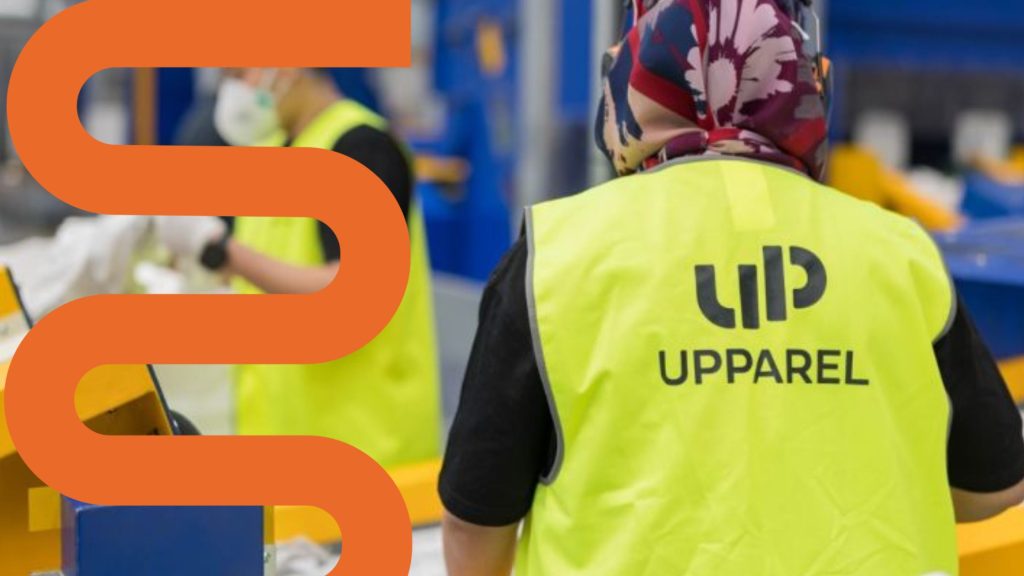
Used signage is sent to the Upparel processing facility using Mesh Direct’s unique packing labels. Then the signage is gathered and prepared for recycling.
This may include:
- Banner mesh
- Vinyl banners
- Event signage
- Promotional displays
Step 2: Sorting and Processing
Materials are assessed and prepared for recycling through specialised processing techniques.
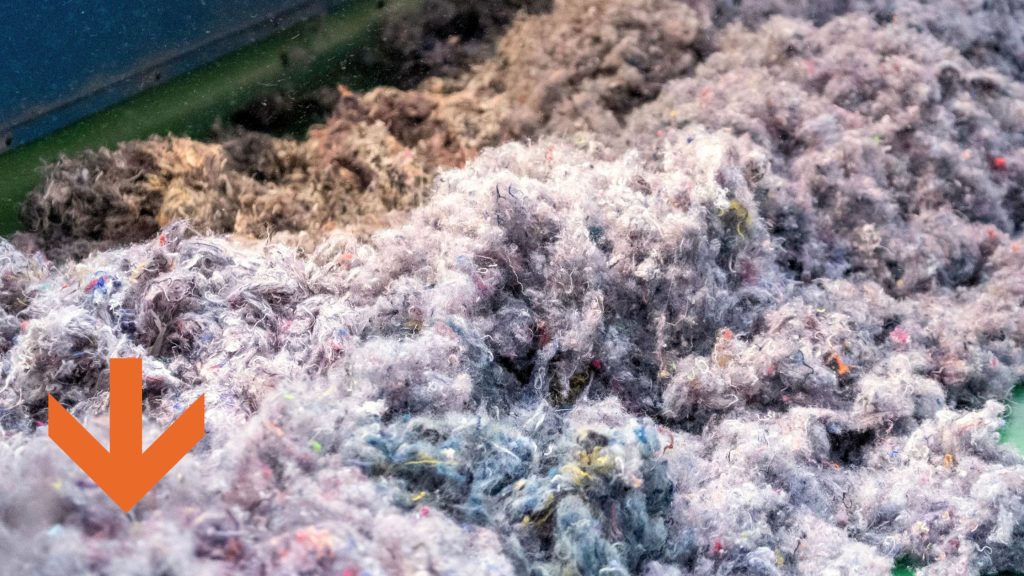
The materials are broken down into reusable fibres and components.
Step 3: Transformation
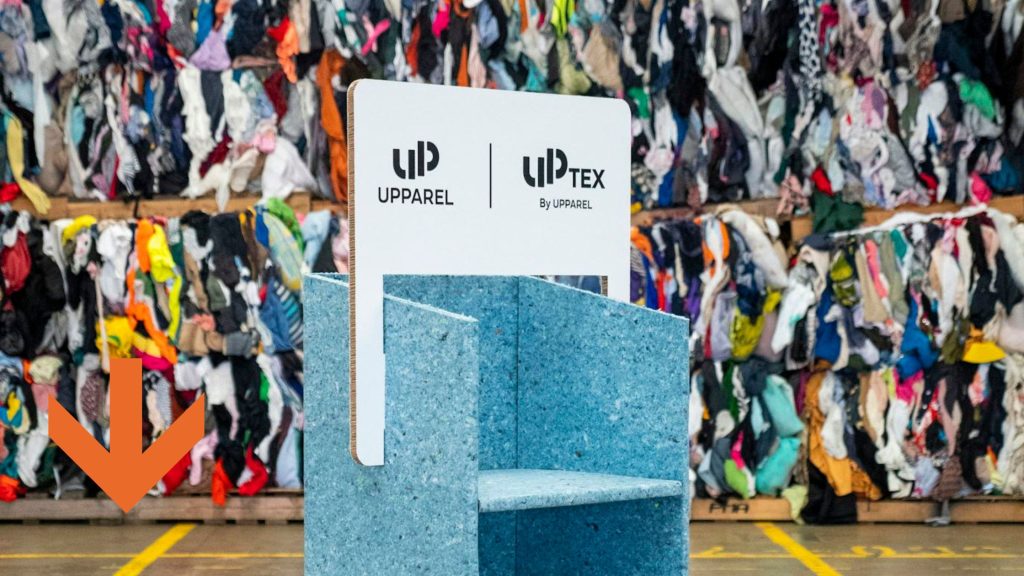
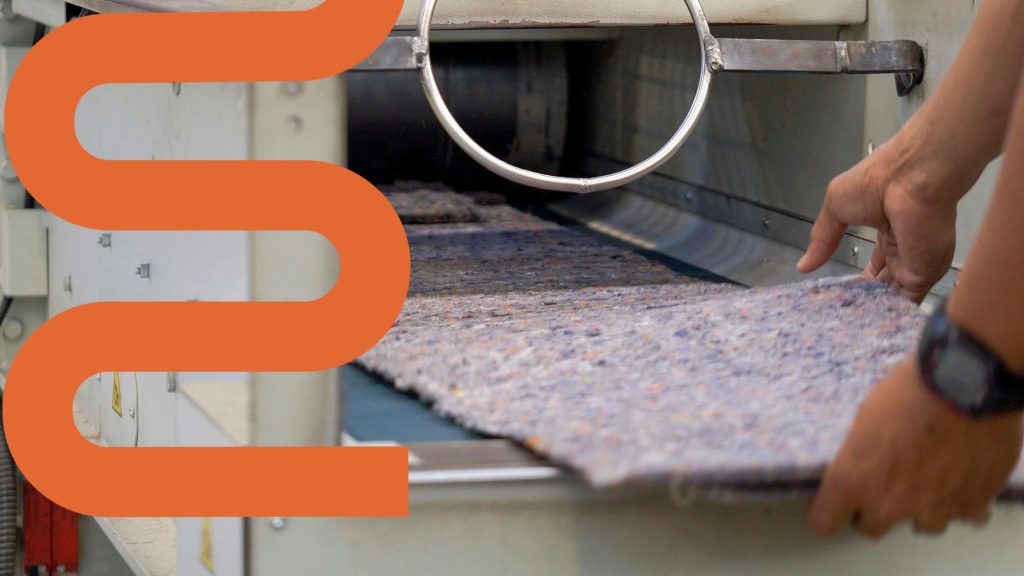
The recovered material is transformed into a new recycled product known as UPtex.
This innovative material is both durable and versatile, making it suitable for a wide range of applications.
Step 4: New Product Creation
The recycled material can then be used to manufacture entirely new products, extending the life of the original signage material.
What Is UPtex?
UPtex is a durable material created from recovered textile and signage waste.
Rather than allowing valuable resources to end up in landfill, UPtex transforms them into useful products that can be reintroduced into the market.
Applications include:
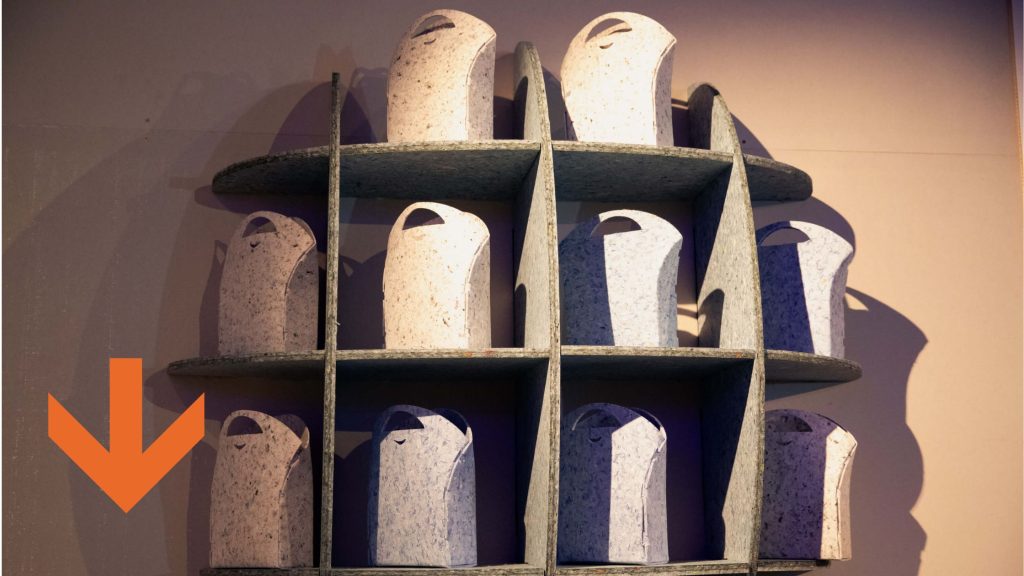
- Acoustic panels
- Interior finishes
- Display materials
- Furniture components
- Packaging solutions
- Signage products
This demonstrates how materials once considered waste can become valuable resources within a circular economy.
Benefits of Recycling Your Signage
Reduce Landfill Waste
One of the most immediate benefits is diverting signage materials from landfill.
Support Sustainability Goals
Recycling initiatives can contribute to broader environmental and ESG objectives.
Demonstrate Corporate Responsibility
Sustainable practices increasingly influence customer, stakeholder and community perceptions.
Contribute to a Circular Economy
Materials are given another purpose rather than being discarded after a single use.
Improve Project Sustainability Outcomes
Many government, infrastructure and corporate projects now place greater emphasis on sustainability reporting and waste reduction.
Who Can Benefit from Signage Recycling?
Signage recycling is suitable for a wide range of industries.
Construction and Development
Builders and developers frequently utilise large volumes of banner mesh and hoarding graphics throughout project lifecycles.
Events and Festivals
Temporary event signage often has a short operational lifespan but can generate significant material waste.
Government and Infrastructure Projects
Public sector organisations increasingly seek sustainable procurement and waste management solutions.
Retail and Corporate Campaigns
Promotional signage can often be recycled once campaigns conclude.
Small Changes Can Have a Big Impact
Sustainability isn’t always about making dramatic changes.
Sometimes it’s about making better decisions at the end of a product’s life.
Choosing to recycle signage rather than sending it to landfill is a practical step that can contribute to meaningful environmental outcomes over time.
As more organisations embrace circular economy principles, these small actions collectively create a larger impact.
Looking Beyond the Print
At Mesh Direct, we’re committed to helping customers make more sustainable signage choices.
That includes not only supplying premium signage solutions, but also helping clients consider what happens after a project ends.
Through our partnership with UPPAREL, we’re proud to offer a practical recycling pathway that helps divert used signage from landfill and transform it into something entirely new.
Because when old signage reaches the end of its use, it could be just the beginning of something else.
Ready to Recycle Your Signage?
If you have old banner mesh, vinyl banners or other grand format signage that has reached the end of its lifecycle, speak with the Mesh Direct team about our signage recycling program.
Together, we can help reduce waste and support a more sustainable future for the signage industry.
Frequently Asked Questions
Can banner mesh be recycled?
Yes. Through Mesh Direct’s recycling partnership, eligible banner mesh can be collected and processed into new recycled materials.
What happens to old construction signage?
Rather than going to landfill, signage can be recycled and transformed into new products through specialised processing.
What is UPtex?
UPtex is a durable recycled material created from recovered textiles and signage waste, which can be used in products such as acoustic panels, furniture and display materials.
Why should I recycle my signage?
Recycling helps reduce landfill waste, supports sustainability goals and contributes to a circular economy.
Ready To Recycle? 👇