Sustainability on Construction Sites Starts with Smarter Choices
Sustainability on-site isn’t just about materials and waste management, it extends to how you communicate, promote, and manage your project.
From mesh banners to hoardings, construction signage is often overlooked when it comes to environmental impact. But with the right approach, print can be part of a more responsible, lower-waste site strategy.
The key? It’s not about doing everything differently, it’s about doing a few things smarter.
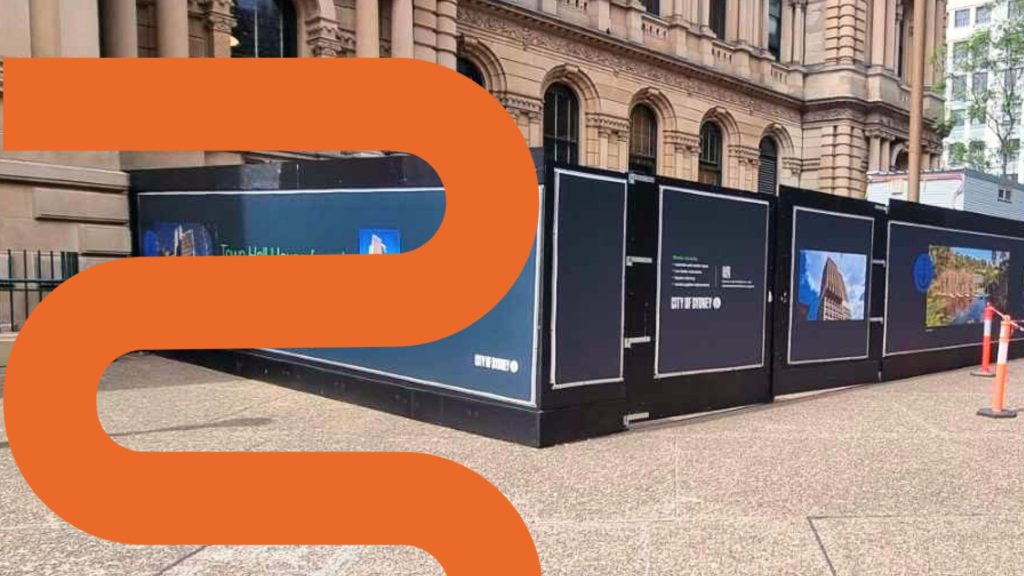
1. Choose PVC-Free and Eco-Friendly Materials Where Possible
Not all signage materials are created equal.
A simple switch to PVC-free banner mesh can significantly reduce environmental impact without compromising performance.
For example:
- Enviro Mesh (180gsm) – PVC-free alternative
- Designed for durability with reduced environmental footprint
- Suitable for a wide range of construction applications
Why it matters:
Traditional PVC materials are harder to recycle. Choosing alternatives supports more sustainable end-of-life options.
2. Plan Your Signage to Reduce Waste
One of the biggest sustainability wins is simply ordering smarter.
Avoid:
- Over-ordering signage “just in case”
- Incorrect sizing that leads to reprints
- Last-minute changes that create waste
Instead:
- Measure accurately the first time
- Consolidate signage where possible
- Work with a team that checks artwork and specs thoroughly
Top Tip From Kim Hider:
Good planning reduces not only waste, but also cost and delays.

3. Reuse Signage Across Projects
Not every piece of signage needs to be single-use.
You can extend lifespan by:
- Avoiding date-specific messaging
- Using generic branding (logos, company info)
- Designing signage that works across multiple sites
Why it works:
Reusable signage reduces the need for constant reprinting, cutting down material use and costs.
4. Recycle Your Used Mesh and Banners
Even when signage reaches the end of its life, it doesn’t have to go to landfill.
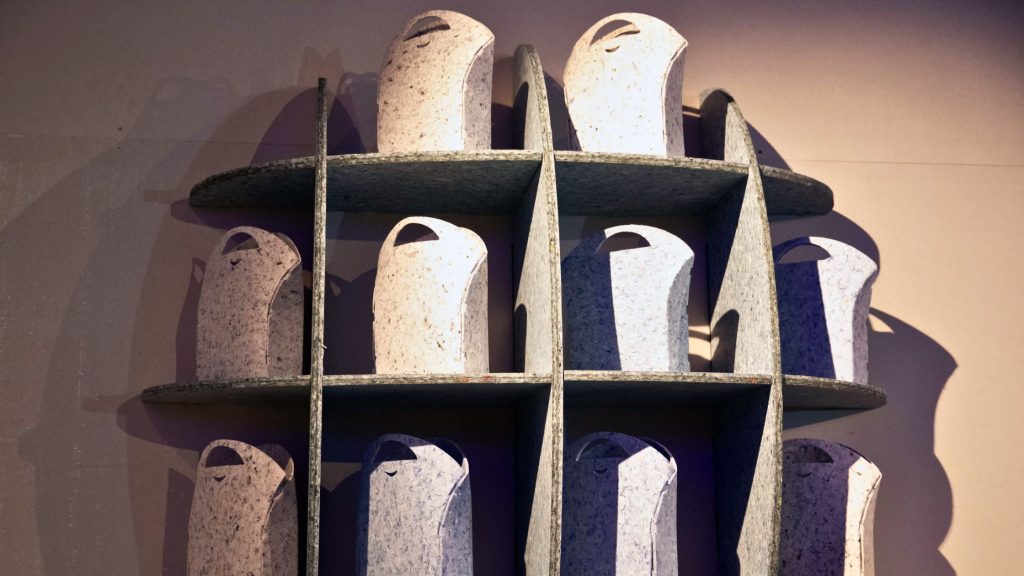
Through programs like UPPAREL, used mesh can be:
- Collected and processed
- Converted into Uptex (recycled raw material)
- Repurposed into furniture, packaging, and more
Why it matters:
This creates a circular solution, turning waste into something useful.
5. Invest in Quality That Lasts Longer
It might sound counterintuitive, but one of the most sustainable choices is buying better quality signage upfront.
High-quality print:
- Lasts longer outdoors
- Resists fading (UV-stabilised inks)
- Requires fewer replacements
Why it matters:
Cheap signage often needs to be replaced more frequently, increasing waste over time.
6. Work With a Supplier Who Offers End-to-End Efficiency
Sustainability isn’t just about materials, it’s also about process.
Working with a supplier who manages:
- Design
- Delivery
- Installation
…means fewer errors, fewer reprints, and less wasted material.
Top Tip From Stephen Henry:
An experienced team gets it right the first time, which is better for both your timeline and the environment.
Quick Answer: How Can Construction Sites Be More Sustainable with Print?
Construction sites can be more sustainable by choosing eco-friendly materials like PVC-free mesh, reducing waste through better planning, reusing signage across projects, recycling used materials, and investing in high-quality print that lasts longer.
FAQs
What is the most eco-friendly construction signage option?
PVC-free banner mesh and recyclable materials are among the most environmentally friendly options currently available.
Can construction signage be recycled?
Yes. Many mesh and textile-based signage products can be recycled through specialised programs like UPPAREL.
Is sustainable signage more expensive?
Not necessarily. While some materials may have a slightly higher upfront cost, savings often come from:
- Reduced reprints
- Reusability
- Lower waste
How can I reduce signage waste on-site?
Plan accurately, avoid over-ordering, reuse where possible, and work with experienced suppliers to minimise errors.
Build Smarter, Not Just Bigger
Sustainability doesn’t have to be complicated.
At Mesh Direct, we help construction teams make practical, effective choices, from eco-friendly materials to recycling solutions, without compromising on quality or impact.