Winter can be one of the toughest times of year for construction sites.
Shorter days, heavy rain, strong winds and fluctuating temperatures all create additional challenges for project teams. While much attention is given to protecting workers, equipment and materials, outdoor signage is often overlooked.
Construction signage is exposed to the elements 24 hours a day, making it particularly vulnerable to weather-related wear and damage if the wrong materials or installation methods are used.
From banner mesh and scaffold wraps to hoardings and site safety signage, selecting the right solution can make a significant difference to performance, durability and overall project presentation throughout winter.
In this article, we’ll explore how weather impacts outdoor signage and what project teams can do to maximise performance during the colder months.
Why Winter Conditions Matter
Outdoor signage is designed to withstand Australia’s climate, but winter introduces unique challenges.
Construction sites commonly experience:
- Increased rainfall
- Strong winds
- Storm activity
- Lower temperatures
- Reduced daylight hours
- Higher moisture levels
These conditions can place additional stress on signage materials and installation systems.
Without proper planning, signage can become damaged, loose, faded or even unsafe.
The Impact of Wind on Construction Signage
Wind is often the most significant challenge for large-format construction signage.
Large printed surfaces can act like sails, creating pressure on both the signage and the supporting structure.
When signage is not properly specified or installed, strong winds may contribute to:
- Tearing
- Stretching
- Sagging
- Eyelet failure
- Excessive movement
- Premature replacement
For this reason, wind management should be a key consideration when selecting outdoor signage.
Why Banner Mesh Performs Well in Windy Conditions
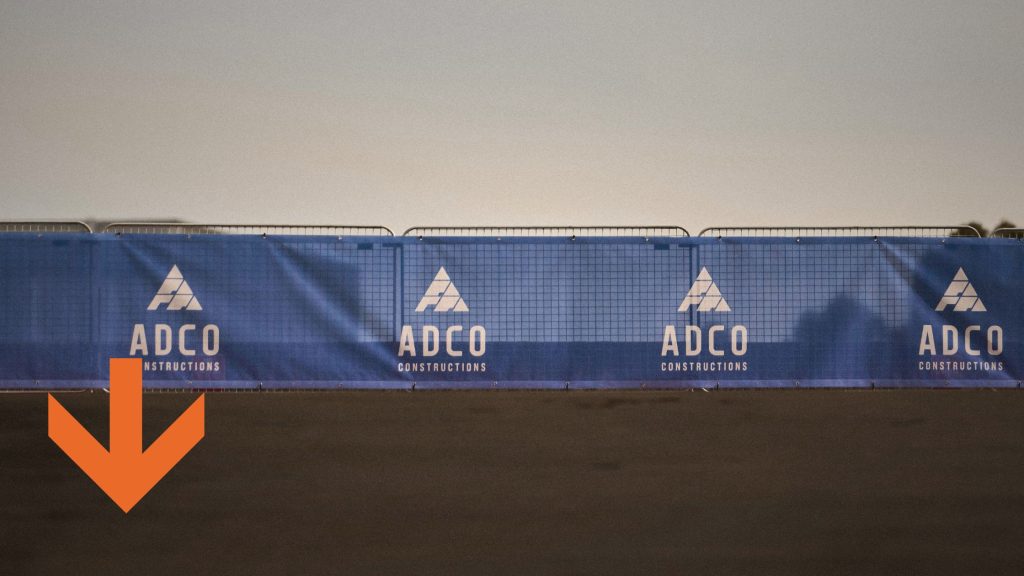
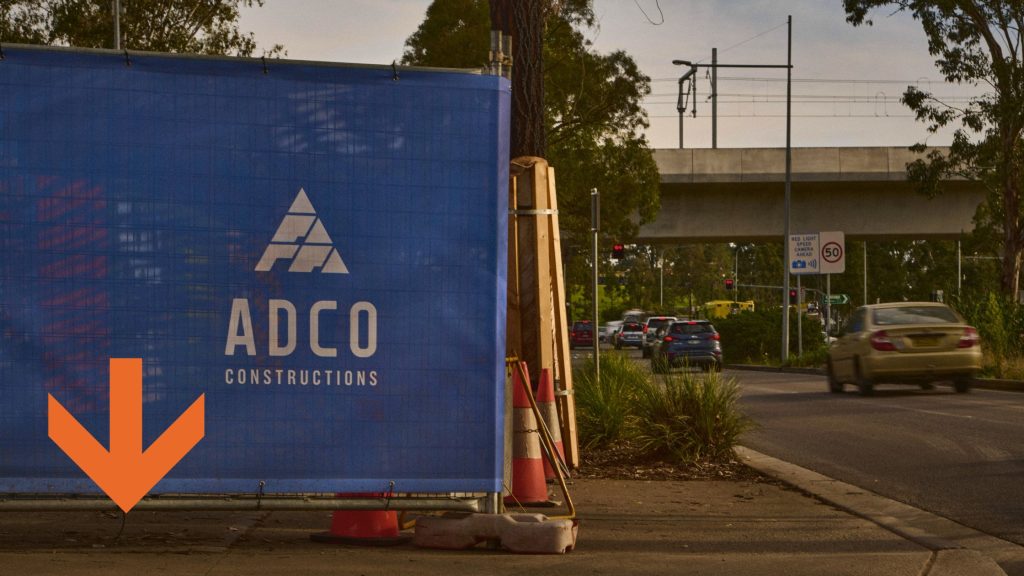
Banner mesh remains one of the most popular signage solutions for construction sites due to its ability to reduce wind loading.
Unlike solid materials, banner mesh allows air to pass through the substrate, reducing pressure on scaffolding and fencing structures.
Benefits of banner mesh include:
- Reduced wind resistance
- Improved site safety
- Excellent print quality
- Lightweight installation
- Suitable for temporary and long-term applications
When installed correctly, banner mesh provides an effective balance between branding impact and wind management.
Open Weave Mesh for High-Wind Locations
Some sites experience particularly challenging wind conditions.
Coastal developments, elevated structures and exposed construction sites may require a more specialised solution.
Open weave mesh features larger perforations that allow greater airflow while still providing a printable surface.
This can help reduce wind loading even further while maintaining visibility and branding opportunities.
For sites exposed to persistent wind, selecting the appropriate mesh product can significantly improve performance.
Rain and Moisture Exposure
Winter rainfall can place additional demands on signage materials.
Poor-quality products may absorb moisture, deteriorate more quickly or experience accelerated wear when exposed to prolonged wet conditions.
Quality outdoor signage materials are designed to withstand:
- Heavy rainfall
- Humidity
- Water exposure
- Temperature fluctuations
Selecting weather-resistant materials helps maintain appearance and functionality throughout the life of the project.
Why Material Quality Matters
Not all signage materials are manufactured to the same standard.
During winter, differences in quality often become more apparent.
Premium materials generally offer:
- Better dimensional stability
- Greater durability
- Improved weather resistance
- Longer lifespan
- Enhanced print performance
Investing in quality materials can help reduce maintenance requirements and minimise the risk of unexpected failures.
The Importance of Proper Finishing
Even the best signage material can underperform if it isn’t finished correctly.
Outdoor construction signage relies heavily on reinforcement systems that help distribute loads and withstand environmental stress.
Important finishing considerations include:
- Reinforced edges
- Webbing
- Welded hems
- Stainless steel eyelets
- Secure fixing methods
These elements help signage remain secure and presentable during challenging weather conditions.
Preventing Sagging and Movement
One of the most common winter signage issues is sagging.
This can occur when:
- Signage is not tensioned correctly
- Fixings become loose
- Wind loads increase over time
- Materials stretch under stress
Sagging signage not only looks unprofessional but can also reduce lifespan and increase maintenance requirements.
Proper installation is critical to achieving optimal performance.
Scaffold Signage and Winter Weather
Scaffold signage requires particular attention during winter.
Large scaffold structures can be exposed to significant wind forces, making product selection especially important.
Solutions such as banner mesh and branded containment mesh can provide effective branding while helping manage environmental loads.
Before installation, project teams should always ensure signage specifications align with site conditions and scaffold requirements.
Hoardings and Site Presentation During Winter
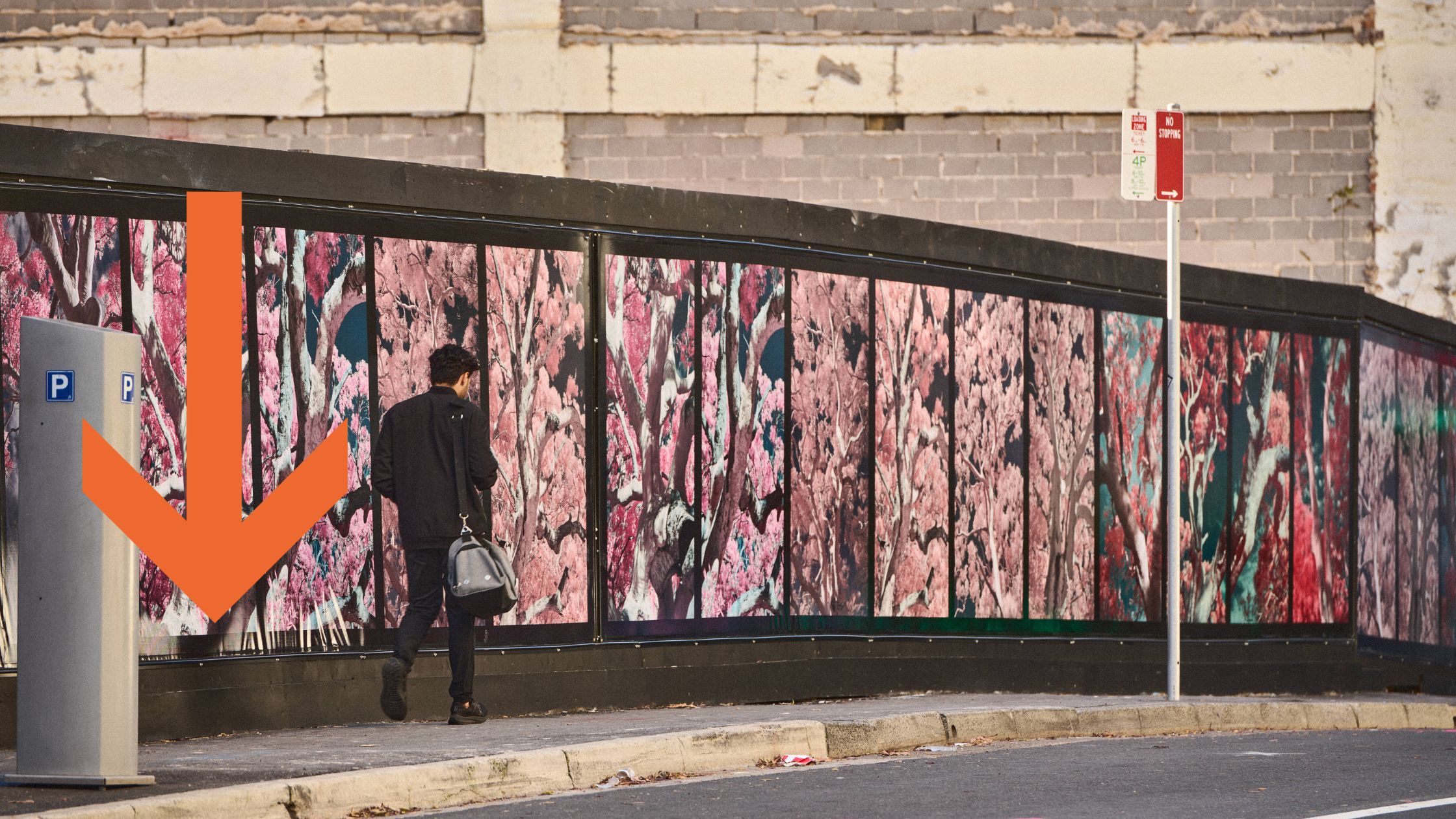
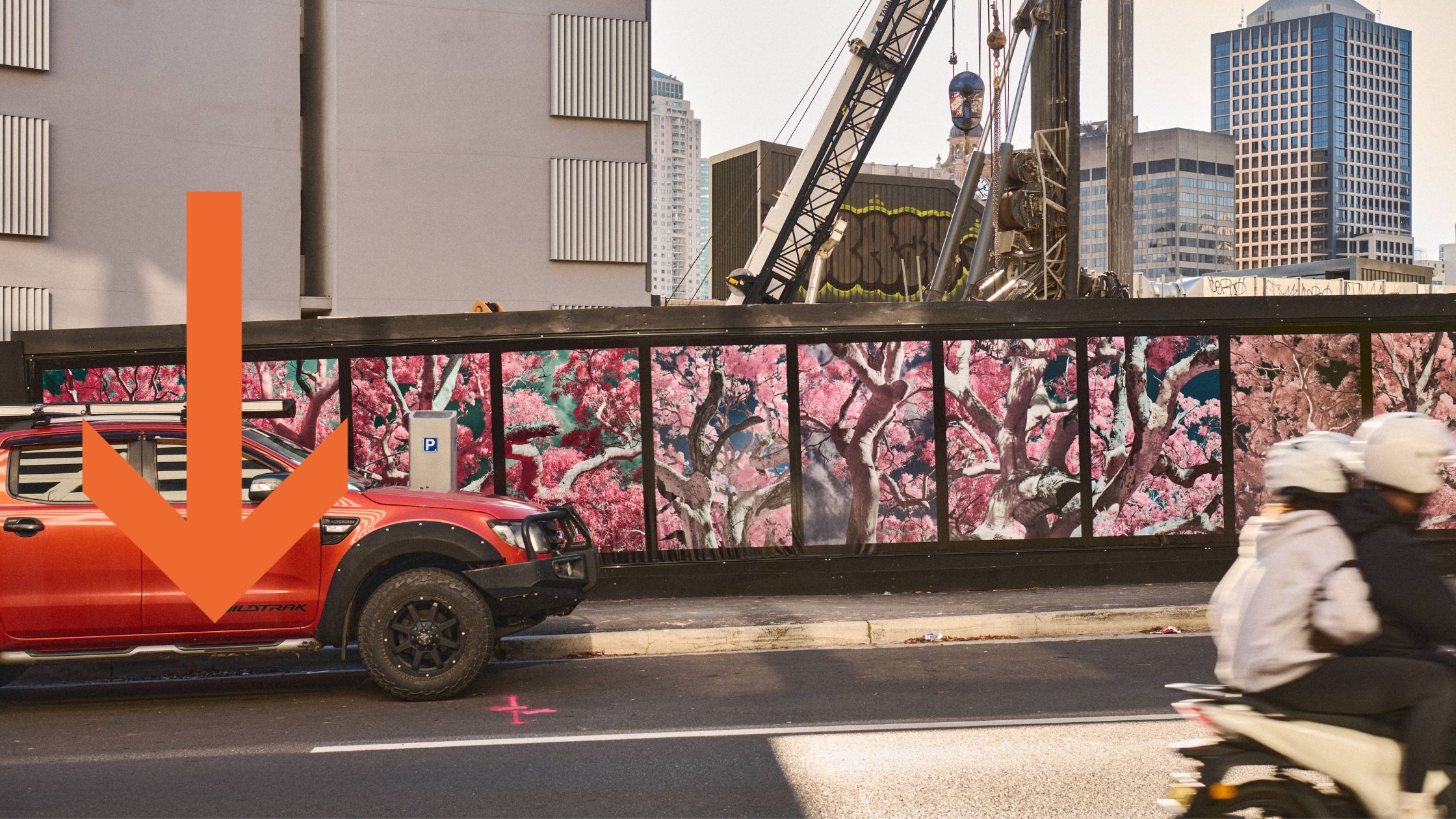
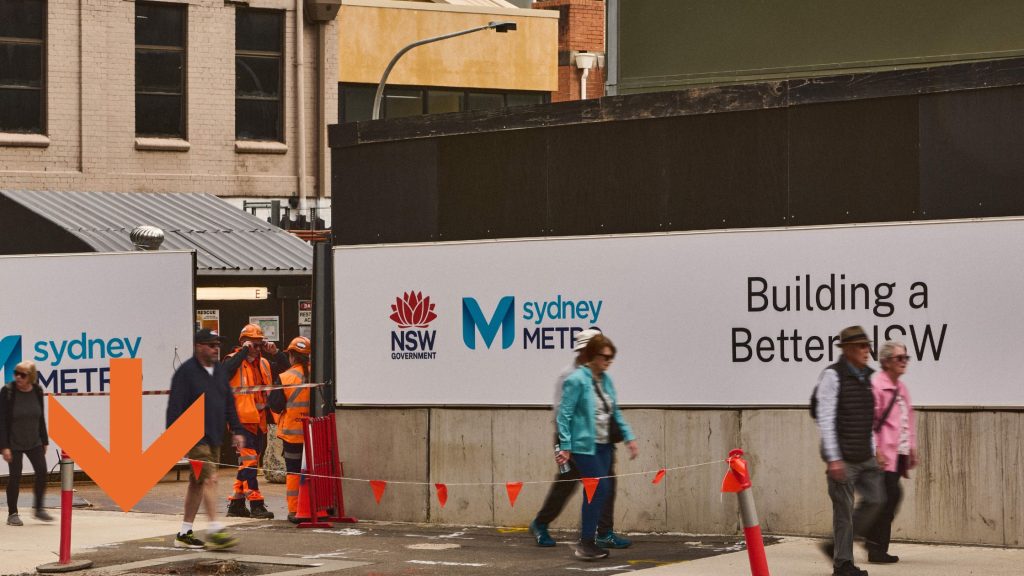
Construction hoardings remain highly visible throughout the project lifecycle, regardless of weather conditions.
Maintaining professional, clean and durable hoardings helps:
- Protect project branding
- Improve public perception
- Communicate important information
- Enhance the surrounding environment
Weather-resistant graphics and quality finishing help ensure hoardings continue to look their best throughout winter.
Planning Ahead for Seasonal Conditions
One of the best ways to avoid signage issues is to plan for seasonal conditions before installation.
Consider:
- Site location
- Wind exposure
- Project duration
- Material suitability
- Installation requirements
- Compliance considerations
A proactive approach helps reduce maintenance requirements and improves overall project outcomes.
Choosing the Right Signage Partner
Outdoor signage is an investment in both branding and site presentation.
Working with an experienced signage provider can help ensure the most appropriate materials and finishing methods are selected for the specific site environment.
Expert advice can often prevent issues before they occur, saving both time and money over the course of a project.
Signage Built for Australian Conditions
At Mesh Direct, we understand the demands Australian weather can place on construction signage.
From premium banner mesh and open weave mesh to scaffold signage, hoardings and rigid site signage, we help clients select solutions designed to perform in challenging conditions.
Our team provides expert advice on material selection, finishing and installation to ensure your signage remains secure, professional and effective throughout the winter months.
Because when the weather turns, your signage should continue working just as hard as the rest of your project.
Frequently Asked Questions
Does rain damage banner mesh?
Quality banner mesh is designed for outdoor use and can withstand exposure to rain and moisture when installed correctly.
What signage performs best in high winds?
Banner mesh and open weave mesh are popular choices for windy environments because they allow airflow through the material, reducing wind loading.
Why does banner mesh sag?
Sagging can occur due to incorrect installation, insufficient tensioning, stretched materials or environmental factors such as wind exposure.
How can I improve the lifespan of outdoor signage?
Selecting high-quality materials, ensuring proper finishing and using professional installation methods can significantly improve signage durability and performance.