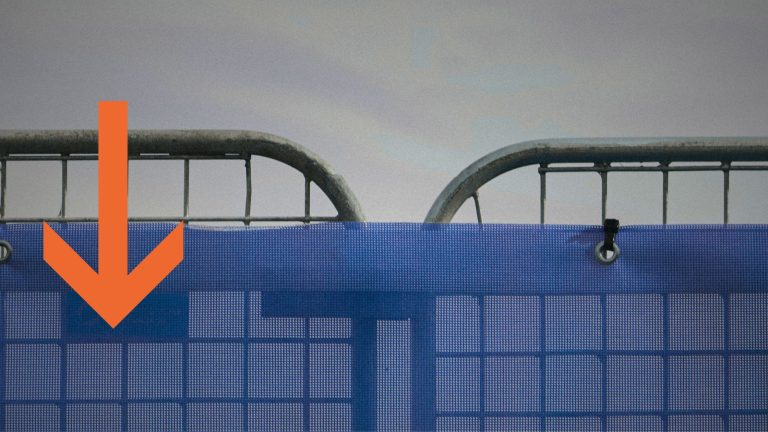
Rigid signage plays a vital role on construction sites, events, and commercial spaces.
From safety messaging to wayfinding and branding, choosing the right rigid material ensures your signage performs as expected, for as long as you need it to.
Here’s a clear breakdown of common rigid signage options and where each works best.
Why Rigid Signage Matters
Unlike mesh or flexible banners, rigid signage provides structure, clarity, and durability. It’s often used where signage needs to remain flat, legible, and secure, especially in high traffic or high risk environments.
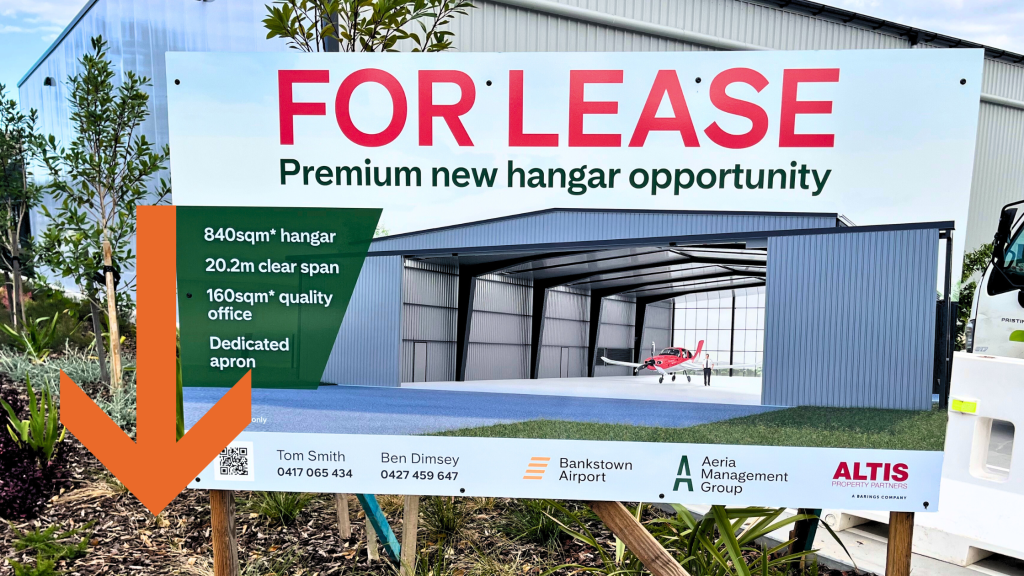
Rigid signage is commonly used for:
- Safety and compliance signage
- Directional and wayfinding signs
- Site identification and branding
- Long-term external displays
Corflute: Lightweight and Cost-Effective
Corflute is one of the most widely used rigid signage materials, particularly on construction sites.
It’s best suited for:
- Short-term or temporary signage
- Safety messages and notices
- Internal or semi-sheltered locations
Corflute is lightweight, easy to install, and budget-friendly. However, it’s not designed for long-term exposure to harsh weather, making it better for temporary applications.
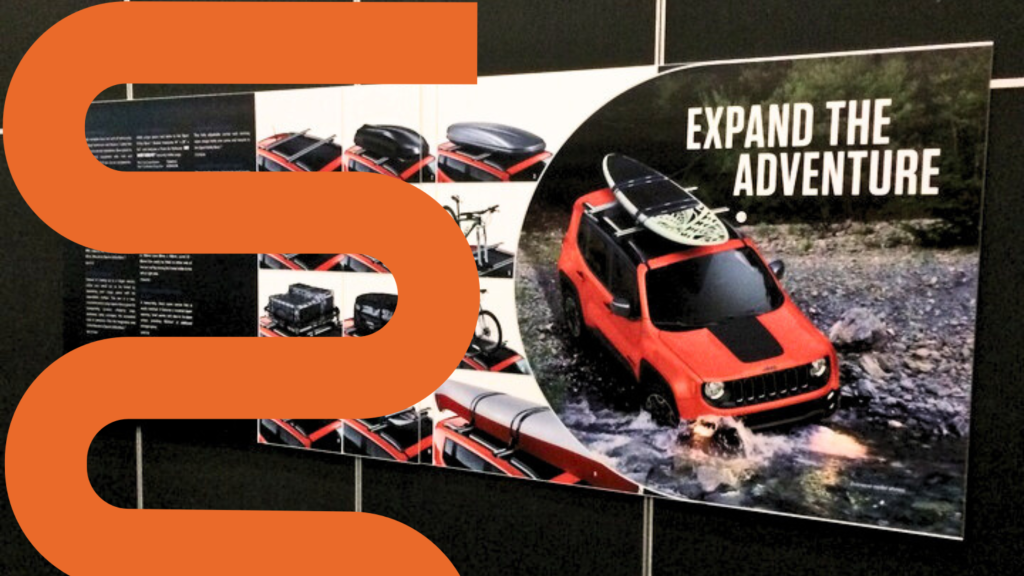
Aluminium Composite Panel: Durable and Premium
ACM (often referred to as Alupanel) is a rigid aluminium composite panel designed for strength and longevity.
It’s ideal for:
- Long-term outdoor signage
- High-visibility branding
- Sites requiring a polished, professional finish
ACM holds its shape, resists weathering, and delivers a clean, premium appearance, making it a strong choice for developers and commercial projects.
Other Rigid Signage Options
Depending on the application, other rigid materials may be suitable, including:
- PVC foam board for indoor signage
- Specialty panels for unique applications
- Ecoboard Panels for a more sustainable option
Each material has its own strengths, and the right choice depends on environment, duration, and visual requirements.
Factors to Consider When Choosing Rigid Signage
Before selecting a rigid signage material, consider:
- How long the sign will be in place
- Indoor vs outdoor exposure
- Wind and weather conditions
- Fixing method (temporary vs permanent)
- Visual expectations and brand presentation
Choosing the right material from the start prevents early failure, reprints, and unnecessary costs.
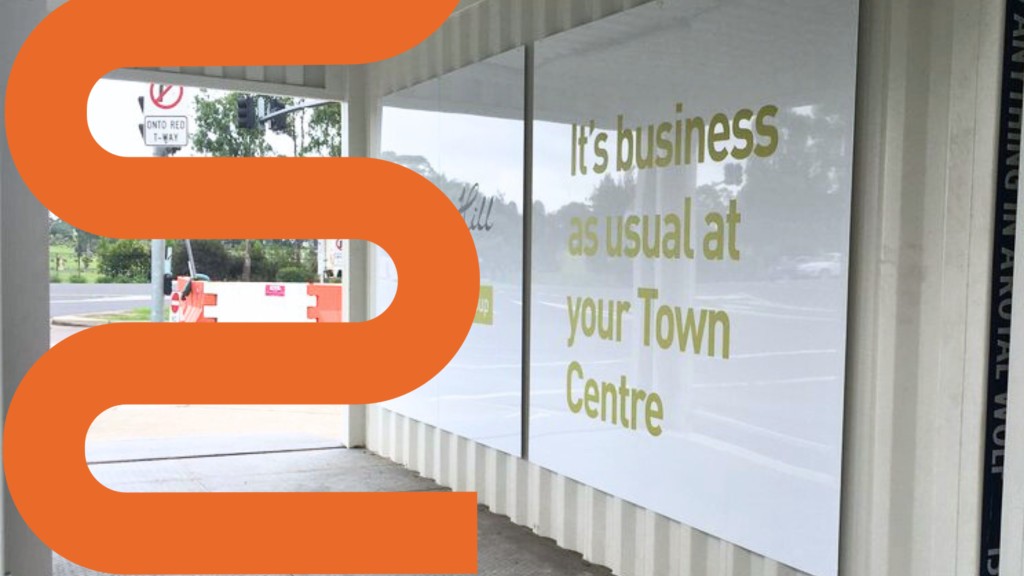
Installation and Fixing Methods Matter
Rigid signage performs best when installed correctly. Fixing methods should suit both the material and the site environment.
Common fixing options include:
- Cable ties for temporary installs
- Screws or bolts for permanent signage
- Frames or mounts for high-visibility locations
Proper installation ensures signage remains secure, legible, and compliant throughout its lifespan.
Getting the Best Result from Rigid Signage
Rigid signage isn’t one-size-fits-all. The best outcomes come from matching the right material to the right application — balancing durability, cost, and appearance.
Expert advice can help ensure signage performs as intended and reflects the quality of the project behind it.